



ACHEMA-Kongress

Beim ACHEMA-Kongress haben sich erneut Forscher, Entwickler und Anwender getroffen und über die neusten technischen Entwicklungen und die aktuellen Herausforderungen der Prozessindustrie diskutiert.

Zu den Kongressthemen

Werden Sie als Speaker Teil der ACHEMA

Als fester Bestandteil der ACHEMA ist der Kongress eng mit der Ausstellung verzahnt. Alle Sessions finden auf Bühnen in den Ausstellungshallen oder in direkter Nähe zu den jeweiligen Ausstellungsgruppen statt. Dieses bewährte Konzept sorgt für maximale Sichtbarkeit: Über 30.000 Teilnehmende nahmen am ACHEMA-Kongress 2024 teil. Für Sie bedeutet das maximale Reichweite, thematische Nähe zu Ihrer Zielgruppe und kurze Wege zwischen Vortrag und Ausstellung.

Haben wir Ihr Interesse geweckt?

Wichtige Informationen zur Einreichung

  • Eine Kurzfassung von einer Seite genügt
  • Die Vortragssprache ist Englisch
  • Anmeldeschluss ist der 4. Oktober 2026

Der ACHEMA Kongress fokussiert auf anwendungsorientierte Forschung und Entwicklung, vom Proof-of-Concept bis zur Schwelle des Markteintritts. Auch aktuelle Trends in der Prozesstechnik werden beleuchtet.

Bitte erstellen Sie eine Kurzfassung mit maximal 3.000 Zeichen und laden diese über ein Textfeld in der Beitragseinreichung hoch. In der Kurzfassung sollten Ziele, neue Ergebnisse und Schlussfolgerungen oder die Bedeutung der Arbeit ausdrücklich erwähnt werden. Geben Sie die Autorenliste (Autor:in und Co-Autor:innen) und die Zugehörigkeiten in der richtigen Reihenfolge an.

Das Programmkomitee behält sich die Entscheidung über die Akzeptanz der einzelnen Beiträge sowie die Ablehnung von inhaltlich unpassenden Beiträgen vor. Die Kurzfassungen aller akzeptierten und termingerecht eingegangenen Beiträge werden auf der Webseite und in der ACHEMA App veröffentlicht.

Die Vortragsfolien werden nicht vor der ACHEMA 2027 benötigt.

Reichen Sie Ihren Beitrag zu einem der folgenden Themen ein:

#process innovation

#process: Modular production

Modular production — from skid-based unit operations to standardised plant modules (Process Equipment Assemblies) and modular automation following the Module Type Package (MTP) approach — is redefining how process plants are designed, deployed, and adapted. Pressure to respond to shifting feedstocks, variable demand, and faster time-to-market makes modular architectures increasingly attractive for capital efficiency and operational flexibility. Contributions are sought on engineering frameworks, integration standards, automation interfaces, scale-up experience, and industrial deployment cases across the chemical and life science industries.

  • Modular production
  • Modular automation concepts
  • Module Type Package (MTP)
  • Skid-based processes
  • Process plant flexibility
  • Capital efficiency
  • Integration standards

#process: Plant design and maintenance

To keep existing plant assets safe, efficient, and competitive, continuous improvements in plant design and maintenance practices are essential. In the chemical and life sciences process industries, an aging infrastructure, evolving regulatory requirements, and the integration of new process equipment into existing facilities are transforming lifecycle management. We invite submissions on condition monitoring, inspection technologies, corrosion management, plant modernization, reliability engineering, and maintenance strategies that extend plant service life or improve operational performance.

  • Asset lifecycle management
  • Plant revamping
  • Condition monitoring
  • Corrosion management
  • Reliability engineering
  • Inspection technologies
  • Maintenance strategies


#process: Materials and material processing

The selection of materials and the corresponding processing technology are central to the performance, safety, and competitiveness of chemical, pharmaceutical and life science production processes and process engineering. Improved structural and functional materials, active ingredients, surface treatment, corrosion-resistant alloys, polymers, and ceramics each can help to overcome specific challenges to each process, especially in aggressive process environments. Submissions are welcome, focussing on materials for synthesis, characterization, forming and joining techniques and its engineering, coating processes, and the qualification of materials for new or retrofitted plants as well as repairing scenarios— with an emphasis on high performance under industrial operating conditions and transformation processes.

  • Materials for high temperature
  • Corrosion-resistant materials
  • Surface treatment & coatings
  • Polymers and ceramics in process equipment
  • Material characterization and qualification
  • Forming and joining techniques


#process: Process engineering

Process engineering forms the foundation for the design, optimization, and scaling of production systems in the chemical industry and the life sciences. As existing plants face pressure to accommodate new feedstocks, stricter efficiency targets, and evolving regulatory standards, advances in reactor design, separation technology, heat and mass transfer, and process intensification are becoming increasingly urgent for the industry. We invite submissions on the topics of unit operations, reaction engineering, process simulation, and scale-up studies that address the performance and adaptability of current and future production facilities.

  • Unit operations
  • Reactor design
  • Separation technology
  • Process intensification
  • Heat and mass transfer
  • Process simulation
  • Scale-up


#process: Bioprocess engineering

As demand for biologically derived compounds grows and new facilities come on stream, optimising bioreactor design, upstream and downstream processing, and scale-up methodology is increasingly critical. Submissions are invited on fermentation technology, bioseparation, process analytical technology, and strategies to improve yield, robustness, and reproducibility in industrial bioprocesses. 
Contributions from the biopharmaceutical sector may fit the topics #pharma.

  • Bioreactor design and technology
  • Upstream and downstream processing
  • Bioseparations
  • Process analytical technology (PAT), ML/AI
  • Scale-up 

#process: Food processing and technology

Food processing and technology sits at the intersection of well-established unit operations and evolving process engineering demands. As requirements for product safety, resource efficiency, and manufacturing flexibility intensify globally, the sector is updating its installed asset base through improved thermal and non-thermal processing methods, continuous manufacturing approaches, and advances in hygienic equipment design. Contributions are invited on process scale-up, equipment integration, operational efficiency, and the industrial deployment of novel processing technologies.

  • Thermal and non-thermal processing
  • Hygienic equipment design
  • Continuous manufacturing
  • Process scale-up
  • Manufacturing flexibility
  • Food safety and regulatory compliance

#process: Process innovation in Life Sciences

Keeping existing assets competitive while deploying next-generation unit operations demands rigorous engineering and cross-disciplinary collaboration. Contributions are sought on continuous manufacturing, process intensification, facility design, and technology transfer across the biotechnology sectors.
Contributions from the biopharmaceutical sector may fit the topics #pharma.

  • Continuous bioprocessing
  • Process intensification
  • Quality by design
  • Technology transfer
  • Facility design

#process: Innovative mixing & separation solutions

Mixing and separation operations are at the very heart of chemical, pharmaceutical, and life science plants worldwide. As the installed equipment ideally performs at benchmark efficiency, innovations in mixing-, separation-, and hybrid process configurations help to preserve and push forward what is technically and economically achievable. Contributions are welcome on novel unit operation designs, scale-up of advanced separation concepts, intensified mixing strategies, and integration of new equipment into existing plant infrastructure.

  • Treatment, mixing and separation of liquids, solids and gases
  • Separation and filtration technologies
  • Mechanical processes
  • Thermal processes
  • Hybrid separation processes
  • AI-guided mixing and separation processes

#process: Fluid handling

Pumps, valves, seals, and piping systems form the infrastructure of every process plant. Their reliability is critical to operational continuity. As plants face increasing pressure to maximize performance, advancements in sealing technology, pump design, and valve technology are transforming maintenance strategies and lifecycle cost-effectiveness. We invite submissions on the topics of plant innovation, sealing technology, condition monitoring, materials development, and the integration of fluid handling systems into demanding process environments.

  • Pump technology
  • Valve engineering
  • Sealing solutions
  • Condition monitoring
  • Asset reliability
  • Hygienic design
  • Piping systems

#process: Safety and security

Safety and security are non-negotiable foundations of every process plant, and requirements grow more demanding as plant configurations evolve and the threat landscapes broaden. From functional safety and process hazard analysis to plant security and the protection of critical infrastructure, the discipline spans engineering, regulation, and operational practice. Contributions are invited on risk assessment methodologies, inherently safer design, learning from incidents, as well as process safety and security across the full plant lifecycle.

  • Process hazard analysis (PHA)
  • Risk management
  • Functional safety
  • Safety instrumented systems (SIS)
  • Safe and sustainable by design
  • Plant and process security

#pharma innovation

#pharma: Bioprocessing & next-generation therapeutics

Biologics manufacturing is undergoing a fundamental shift as cell and gene therapies, antibody-drug conjugates, and RNA-based modalities transition into commercial-scale production. Advances in continuous bioprocessing, process intensification, and manufacturing capacity expansion strategies for viral vector and RNA manufacturing are central to this evolution. Benchmarks for monoclonal antibodies and biosimilars add further complexity. Submissions are invited on process development, scale-up strategies, quality by design, and analytical methods for next-generation biopharmaceuticals.

  • Cell and gene therapy manufacturing
  • Continuous bioprocessing
  • Scale-up
  • Quality by design (QbD)
  • ATMP
  • Cell Culture Technologies

#pharma: Single-Use technologies for bio-based applications

Single-use technologies have become integral to biopharmaceutical manufacturing, enabling faster facility set-up, reduced cross-contamination risk, and greater flexibility for multiproduct sites. Their adoption is expanding into demanding applications such as antibody-drug conjugate production and cell and gene therapy, where stringent containment and scalability requirements apply. Submissions are invited on bioreactor design, fluid management systems, in-line sensing and monitoring, extractables and leachables, and end-of-life considerations for single-use components.

  • Single-use bioprocessing
  • Single-use bioreactors
  • Extractables & leachables
  • Single-use sensors

#pharma: Sustainability & green pharma

Pharmaceutical production must reduce its environmental footprint without compromising quality or efficiency. Material selection for raw and process materials, production supplies, and packaging— aligned with GMP and performance requirements — is a key lever to cut value-chain emissions.  Submissions are invited on sustainable synthesis, waste minimisation, solvent recovery, green process design, and integration of environmental metrics into pharma process development and regulatory submissions.

  • Low-emission material selection
  • Solvent substitution & recovery
  • Sustainable pharmaceutical manufacturing
  • Green process design
  • Environmental metrics (LCA / PMI) 

#pharma: Process equipment innovation & emerging technologies

New equipment concepts and process technologies are redefining standards in pharmaceutical manufacturing. Innovations in unit-operation hardware, materials of construction, aseptic processing equipment, containment solutions, and integrated PAT-enabled skids are gaining traction as manufacturers modernize established batch operations and address robustness, cleanability, and compliance demands.  Submissions are invited on equipment development, engineering design and qualification, lifecycle and maintenance concepts as well as regulatory acceptance of novel pharmaceutical manufacturing technologies at both solid-dose and sterile production scales.

  • Aseptic processing equipment
  • Containment & operator safety
  • In-line sensing & verification 
  • Novel unit operations
  • Equipment qualification & compliance 

#pharma: Automation & robotics in pharma production

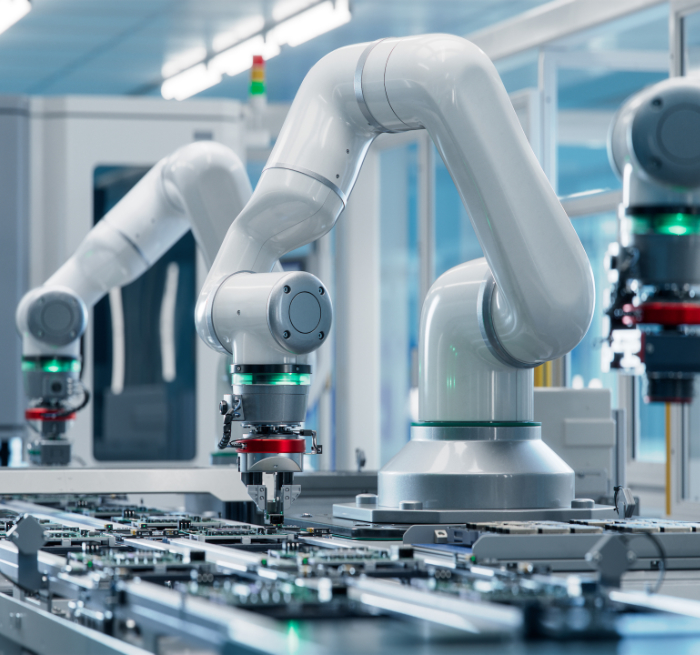
Automation and robotics are advancing rapidly across pharmaceutical production, from aseptic fill-finish and packaging to compounding and in-process quality control. Collaborative robots, automated visual inspection systems, and robotic handling in containment-critical environments are reshaping facility design and operational benchmarks. Submissions are invited on robotics integration, automated process control, validation of automated systems, and human-machine interaction in GMP-regulated pharmaceutical manufacturing environments.

  • Pharmaceutical robotics
  • Aseptic fill-finish automation
  • Collaborative robots (cobots)
  • Automated visual inspection
  • GMP-compliant automation
  • Automated process control
  • Validation of automated systems

#pharma: Modular systems & flexible pharma production

Modular and flexible production concepts are gaining significance in pharmaceutical manufacturing as sites seek faster reconfiguration, shorter changeover times, and the ability to handle multiple product types within a single facility. Plug-and-play process modules, standardised interfaces, and reconfigurable cleanroom systems are enabling more agile responses to shifting demand and product portfolios. Submissions are invited on modular plant design, process module standardisation, flexible fill-finish, and regulatory strategies for modular pharmaceutical facilities.

  • Modular pharmaceutical manufacturing
  • Flexible production systems
  • Plug-and-play process modules
  • Reconfigurable cleanroom design
  • Multiproduct facility strategies
  • Flexible fill-finish

#pharma: Pharmaceutical packaging technology & integrated final processing

Pharmaceutical packaging is evolving well beyond containment, with primary and secondary packaging increasingly integrated into final processing workflows. Serialisation, tamper-evidence, patient-centric design, and barrier systems for parenteral and biological products are raising both technical and regulatory benchmarks. Submissions are invited on primary packaging materials and formats, filling and closing technologies, integrated end-of-line processing, serialisation implementation, and packaging qualification for novel drug products and delivery systems.

  • Primary & secondary pharmaceutical packaging
  • Serialisation & track-and-trace
  • Parenteral & biological product packaging
  • Integrated fill-finish & end-of-line processing
  • Tamper-evidence & barrier systems
  • Patient-centric packaging design
  • Packaging qualification & regulatory compliance

#pharma: Pharma supply chain & logistics

Pharmaceutical supply chains face heightened demands for resilience, traceability, and compliance as product portfolios grow more complex and geopolitical pressures expose fragilities in established networks. Cold chain management for biologics and advanced therapies, serialisation under evolving regulatory frameworks, and end-to-end supply chain visibility are central challenges. Submissions are invited on cold chain technology, track-and-trace implementation, supply chain risk management, and logistics strategies for temperature-sensitive drug products.

  • Serialisation & track-and-trace
  • Temperature-controlled logistics
  • Biologics & advanced therapy distribution
  • Supply chain resilience
  • Supply chain risk management
  • End-to-end supply chain visibility

#lab innovation

#lab: Automation & robotics

Automated platforms and robotic systems are fundamentally reshaping laboratory workflows in the life science and process industries, spanning sample preparation, liquid handling, and high-throughput analytical processes. As walk-away automation and collaborative robots become more widely deployed, questions of system integration, method transfer, and the interface between automated laboratory environments and production or quality systems gain relevance. Contributions addressing both technological advances and practical implementation experience are invited.

  • Laboratory automation
  • High-throughput processes
  • Collaborative robots (cobots)

#lab: AI, machine & deep learning

AI and deep learning methods are increasingly embedded in laboratory workflows, enabling pattern recognition in complex analytical datasets, predictive modelling of experimental outcomes, and accelerated method development. Applications range from spectroscopic data interpretation and image-based quality assessment to autonomous experimental design. Questions of model validation and data quality present concrete challenges that researchers and practitioners are invited to address.

  • Machine & deep learning in the laboratory
  • Analytical data interpretation
  • Predictive modelling
  • Autonomous experimental design
  • Image-based quality assessment
  • Model validation

#lab: Autonomous & self-driven lab

Self-driving laboratories, which integrate closed-loop experimentation with automated platforms and data-driven decision-making, are gaining traction across chemistry, biotechnology, and analytical science. By combining robotic execution with algorithmic experiment planning, these systems can accelerate method development and materials discovery with minimal human intervention. Contributions are sought on architectures, workflows, and practical experience from implementations in research and laboratory environments.

  • Walk-away automation
  • Workflow orchestration
  • Closed-loop experimentation
  • Algorithmic decision-making (ADM)

#lab: The lab as platform for Life Sciences

In the life science industries, the laboratory has evolved from a purely analytical environment into an integrated platform that bridges early-stage research, bioprocess development, and quality assurance. Across biotechnology, pharmaceutical, and diagnostics applications, laboratory infrastructure increasingly determines the pace and reliability of translation from discovery to production. Contributions are invited that address platform concepts, instrumentation strategies, and the integration of laboratory workflows with downstream development and manufacturing stages.

  • Life science laboratory platform
  • Lab-to-production translation
  • Integrated laboratory workflows
  • Quality assurance

#lab: New developments in imaging & sensing

Advances in optical, spectroscopic, and sensor-based techniques are expanding the scope and precision of measurements in life science and process industry. From hyperspectral imaging and inline spectroscopy to miniaturised sensor arrays, new methods and tools enable faster characterisation, improved process understanding, and more reliable quality assessment. Contributions are sought on novel imaging and sensing approaches, as well as analytical methods and their integration into laboratory and industrial workflows.

  • Analytical methods
  • Spectrometry and spectroscopy
  • Optical imaging techniques
  • Sensor systems and technology

#lab: Linking the lab with production - connectivity & collaboration

Effective transfer of laboratory results into production requires more than technical accuracy: it demands structured data flows, standardised interfaces, and close collaboration between laboratory personnel and production teams. An improved connectivity between the lab and production can ultimately lead to better products, improved efficiency, and increased customer satisfaction. Share your experiences at the ACHEMA 2027 Congress!

  • Data simulation, modelling and transfer
  • LIMS, ELN
  • Manufacturing execution systems (MES)
  • Quality control
  • Cross-functional collaboration

#lab: Sustainable labs

Laboratories in the chemical, pharmaceutical, and life science industries are among the most resource-intensive facilities in the process sector, consuming significant amounts of energy, water, solvents, and single-use consumables. Measures like energy-efficient equipment, solvent recovery, waste minimisation, and sustainable procurement play a key role in achieving the UN Sustainable Development Goals. Contributions are invited on guidelines, best practices, and assessments methods.

  • Energy efficiency and smart energy management in laboratories
  • Solvent recovery and waste minimisation
  • Sustainable procurement
  • Environmental assessment of labs

#lab: Integrated lab project development for new working worlds - from vision to operation

Planning, building and maintaining laboratories that meet today’s scientific and operational requirements demands a holistic approach, from initial concept and user-needs analysis through technical design to commissioning and operation. In life science and process industries, new working models and hybrid research environments are reshaping how laboratory spaces are conceived. Contributions are sought on integrated project methodologies, stakeholder engagement, digital planning tools, operational readiness, and lessons learned from completed laboratory projects.

  • Laboratory planning and design
  • Digital planning tools
  • Operational readiness
  • Stakeholder engagement

#green innovation

#green: Climate neutral production

Achieving climate-neutral production across the chemical and process industries requires the integration of multiple pathways at industrial scale. Key levers include defossilising carbon supply through the use of bio-based, recycled and CO₂-derived feedstocks, electrifying processes with renewable power, improving efficiency and heat integration, and deploying carbon capture, utilisation and storage (CCUS) where appropriate. Contributions are invited on carbon management strategies, life-cycle greenhouse gas assessment (including system boundaries and accounting methods), industrial symbiosis, and the techno-economic and infrastructure challenges of scaling these solutions across existing and new production assets.

  • Greenhouse gas emissions reduction
  • Bio-based and recycled feedstocks
  • Carbon management strategies
  • Lifecycle assessment
  • Industrial decarbonisation

#green: Industrial biotechnology

Industrial biotechnology is opening viable, bio-based routes to chemicals, materials, and intermediates that have long relied on fossil feedstocks. Fermentation, enzymatic conversion, and whole-cell biocatalysis are advancing from pilot to commercial scale, supported by progress in strain engineering and bioprocess design. Contributions are invited on feedstock flexibility, and the integration of biotechnological routes into existing chemical production infrastructure.

  • Fermentation and biocatalysis
  • Bio-based chemicals and materials
  • Strain engineering
  • Metabolic feedstock flexibility
  • Bioprocess integration
  • Techno-economic performance

#green: Industrial water management

Water streams are also value streams. In industrial processes, water serves to carry, heat, load, and dissolve substances, and is then discharged or recycled. Prices and politics demand that water be handled more consciously. Reducing water demand increases resilience; new technologies allow recycling, and stricter regulations require greater compliance. From the supply chain to the final product, new solutions are required. The ACHEMA Congress 2027 aims to address both technological innovations and strategic frameworks for optimizing water's versatile applications while ensuring resource sustainability and operational resilience.

  • Minimum liquid discharge
  • Energy and resource efficiency
  • Circularity and resource recovery
  • Engagement and compliance
  • Water security and resilience

#green: Conversion technologies for alternative feedstocks

Alternative feedstocks are gaining relevance as climate-neutral production depends increasingly on non-fossil carbon sources and their industrial conversion. Thus, replacing fossil-derived carbon with biomass, waste-derived streams and CO₂ is becoming a strategic requirement for the defossilisation of process industries. Contributions are invited on thermochemical, catalytic and biochemical conversion routes, feedstock pre-treatment, catalyst and reactor design, process integration, and techno-economic assessment of scalable pathways.

  • Alternative feedstocks
  • Thermochemical conversion
  • Biomass valorisation
  • Catalyst development
  • CO₂ and waste-derived streams
  • Process integration

#green: Circular economy of inorganic raw materials

A secure and sustainable supply of inorganic raw materials is becoming a strategic requirement for industrial resilience and the transformation of process industries. Demand for key minerals used in energy technologies is expected to rise strongly, while tighter raw material markets and trade restrictions increase the relevance of recovery and reuse from residues, slags and waste streams. Contributions are invited on recycling routes, secondary raw materials processing and circular integration into industrial value chains.

  • Inorganic raw materials
  • Recovery and reuse
  • Critical raw materials
  • Circular value chains
  • Slag and residue valorisation

#green: Advanced materials for sustainability

Material innovation is a key enabler for improving sustainability across the chemical and process industries. Bio-based polymers, advanced separation membranes, heterogeneous catalysts, and functional materials from renewable or recycled sources are progressing from research to industrial application. Contributions are invited on material design, performance under process conditions, recyclability, and the scale-up of advanced materials that reduce resource consumption or enable fossil-free production pathways.

  • Advanced materials
  • Bio-based polymers
  • Separation membranes
  • Heterogeneous catalysts
  • Renewable and recycled feedstocks
  • Fossil-free production

#green: Circular economy of carbon materials

Keeping carbon in productive use rather than releasing it as waste is essential for sustainable value chains in the chemical and process industries. Mechanical and chemical recycling, bio-based feedstocks and cross-sector material flows are increasingly converging into integrated circular carbon strategies. Contributions are invited on recycled feedstock quality, mass balance approaches, and industrial carbon cycles.

  • Circular carbon economy
  • Chemical and mechanical recycling
  • Bio-based feedstocks
  • Mass balance approaches
  • Recycled feedstock quality
  • Industrial carbon cycles

#green: Water for transformation

Water serves as a critical multi-functional resource across many industrial processes. It performs as a cooling medium, enables chemical reactions, and acts as a bioprocessing carrier. As an indispensable element in nearly all sectors, water is utilized in various states – as a liquid solvent or coolant, as vapor in thermally driven applications, or as a raw material input. Transforming industry requires a deep exchange of knowledge and experience. Contributors are invited to present new industrial technologies, approaches, or methodologies for the smart, modular industry of tomorrow.

  • Water in bioprocessing
  • Water for cooling
  • Non-conventional water resources
  • Smart water solutions
  • New industrial routes (hydrogen and PtX)

#digital innovation

#digital: AI for the process industry

AI is transforming the process industry by moving from advisory tools towards AI agents, feedback loops and digitally engineered workflows. Transferring from pilot projects to operational deployment, AI has demonstrated the potential to significantly improve efficiency across the entire asset life cycle. Key applications include process modelling, digital twins and AI-driven predictive maintenance. Contributions are invited on industrial AI use cases, deployment at scale, and challenges related to robustness, data quality, explainability, and human-AI.

  • AI agents and feedback-loop workflows
  • AI-assisted process modelling and simulation
  • AI-driven predictive maintenance
  • Cross plant transfer learning
  • Digital twins and AI integration
  • MLOps / model lifecycle management
  • Self-optimizing process control

#digital: AI & machine learning in Life Sciences

Machine learning and AI-based methods are increasingly embedded in life science workflows, from target identification, principal component analysis (PCA), and molecular screening to bioprocess optimisation and quality control. As experimental, process and clinical data becomes more connected, AI can support actionable insights, validated decision-making and more efficient development and manufacturing workflows. Submissions addressing validated applications, domain-specific data integration, and requirements for AI/ML in regulated life science environments are particularly welcome.

  • AI and machine learning in life science workflows
  • AI-assisted molecular screening and target identification
  • Predictive modelling in pharmaceutical and bioprocess manufacturing
  • Process analytical technology (PAT) and AI-enabled quality control
  • Data integration across experimental, process and clinical studies
  • Regulatory requirements for AI/ML in regulated life science environments

#digital: Hyperautomation & autonomous systems in industrial production

A remotely operated plant with limited human intervention is a key vision for the future of industrial production. Seamless digitalisation and connectivity are a prerequisite for autonomous decision-making while transparency, training and validation are essential to build human trust. Autonomous robots already perform inspection tasks, and humanoid robots are an emerging field of interest. Contributions on robotics, remote operations, human-machine collaboration, safety concepts and validation of autonomous systems in regulated, batch or continuous production settings are particularly welcome.

  • Autonomous operations and industrial robotics
  • Remote operations, drone-based inspection and humanoid robots
  • Safety and functional safety for autonomous systems
  • Human-machine collaboration in plant operations
  • Autonomy levels, validation and maturity models
  • Trust, transparency and operator acceptance in autonomous systems

#digital: Connected production

Connecting field devices, machines, and sensors through unified architecture are reshaping plant operations. The IT/OT convergence, supported by industrial communication standards and edge computing, enables real-time process visibility and reliable data exchange across production environments. Contributions are invited on connectivity architectures, field -level integration, interoperability, real-time data routing and practical implementations of connected production in industrial environments.

  • Ethernet-APL / field-level connectivity
  • IT/OT convergence in process plants
  • Industrial IoT and edge computing
  • Communication protocols and interoperability (OPC UA, MQTT, AAS)
  • Real-time data routing and integration architectures
  • NOA and interoperable data ecosystems

#digital: Industrial cybersecurity

As process plants become more connected, the attack surface of industrial control and automation systems expands correspondingly. Protecting operational technology (OT) in chemical, pharmaceutical, and bioprocess environments requires targeted approaches that combine resilience, secure architecture and implementation under legacy system constraints. Contributions on OT-specific threat mitigation, secure system architecture, network segmentation, incident response, risk assessment, standards and regulatory compliance and implementation experience from industrial sites are invited.

  • IT/OT cybersecurity in process and pharmaceutical plants
  • Incident response & recovery in OT environments
  • Legacy system security and OT risk assessment
  • Evolving regulatory requirements
  • Industrial security standards and regulatory compliance (e.g. IEC 62443, CRA)
  • Organizational readiness and cyber resilience
  • Secure OT architecture and network segmentation

#digital: Data driven innovation

Large volumes of process, sensor, and quality data generated across operations hold significant potential for product and process innovation. Turning raw operational data into actionable knowledge requires robust data architectures, high quality data management and analytical capabilities across laboratory, production, and enterprise systems. Contributions on data governance, integration and contextualising, analytical methods applied to real industrial datasets, and case studies demonstrating measurable innovation outcomes are particularly welcome.

  • Data architecture, governance and quality frameworks
  • Industrial data lakes, warehouses and quality frameworks
  • AI-ready data: architecture, labelling and curation
  • FAIR data principles / data lineage & traceability
  • Analytics on real industrial datasets for innovation outcomes

#energy innovation

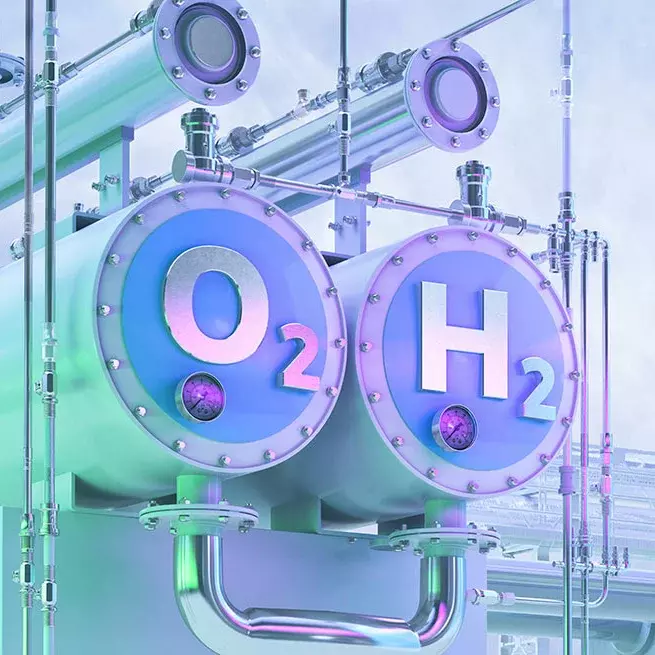
#energy: Hydrogen production incl. innovative & alternative routes

Hydrogen is a key energy option to decarbonize processes that can’t use direct electrification. Low-carbon hydrogen can be produced as 'blue hydrogen' through steam reforming of methane with subsequent CCS, via biomass of waste or as 'green hydrogen' through water electrolysis using renewable electricity. In the latter case, various technologies can be employed, such as alkaline electrolysis, PEM-electrolysis, or high-temperature electrolysis. Another option for hydrogen generation is methane pyrolysis, in which natural gas is split into hydrogen and carbon. In any case, the processes should be analysed and classified in terms of their ecological (life cycle analysis) and economic (techno-economic analysis) aspects. For all low-carbon hydrogen production processes, technologies for upscaling and industrialization are of particular interest.

  • Water electrolysis
  • Methane pyrolysis
  • Steam methane reforming (SMR)
  • Life cycle analysis & techno-economic analysis
  • Low-carbon hydrogen
  • Industrial scale-up

#energy: Power to X processes incl. sustainable aviation fuels & eFuels

Power-to-X (PtX) technologies offer climate-friendly solutions to make renewable energy more accessible for industry. By utilizing green hydrogen as an energy carrier and a raw material for basic chemicals, alternatives to fossil resources are being created. With green hydrogen and CO2 as the key components for PtX, a myriad of fuels and materials can be produced. The green hydrogen derivatives green ammonia and e-methanol are targeted as ideal intermediates to ship higher energy density and substitute fossil counterparts for fertilizers and chemicals produced at a megaton scale globally. Moreover, the industrial scale of e-Fuel production is required for the aviation sector. Sustainable aviation fuels (SAF) can be deployed via two major PtX routes: Methanol-to-Jet and the Fischer-Tropsch-Synthesis. PtX research and development has seen major advancements in terms of scale, reactor design, and catalysts, enabling the transition toward hard-to-electrify sectors. Contributions detailing technical developments or industrial applications across the entire Power-to-X value chain are invited for submission.

  • Power-to-X and Power-to-Liquid
  • Sector Coupling
  • E-Methanol & green ammonia
  • Synthetic fuels, e-Fuels, SAF
  • Fischer-Tropsch-Synthesis & Methanol-to-Jet

#energy: Carbon capture & utilisation / storage

With increasing pressure to decarbonise industrial sectors, the implementation of CCUS in the process industry has become inevitable. CCS provides a pathway to mitigate emissions from established industrial assets while transitioning toward a fully renewable system. Moreover, captured carbon dioxide can be treated as an additional chemical feedstock, reducing resource dependency. In particular, hard-to-abate sectors, such as cement production, can contribute by treating carbon dioxide as a resource for base chemicals, including methanol, DME, urea, and carbonyls. Mature technologies, such as MEA absorption, now exist alongside recent developments in advanced adsorption using Metal-Organic Frameworks (MOFs). Furthermore, atmospheric CO2 can be harvested via Direct Air Capture (DAC). To support these CCUS advancements, the process industry requires an integrated CO2 network—featuring state-of-the-art compression, liquefaction, piping, and storage capacity—to enable deployment at an industrial scale. We invite submissions focusing on CCUS along the whole process chain, including innovative capture technologies, CO2 transport infrastructure, and industrial utilisation pathways.

  • CCUS
  • DAC
  • Carbon removal & management
  • CO2 absorption & adsorption
  • Chemical feedstock
  • Carbon sequestration
  • CO2 transport networks

#energy: Energy efficiency

Improving energy efficiency remains one of the most important levers for the process industry to reduce operating costs and energy-related GHG emissions while conserving resources. The key areas of heat integration, waste heat recovery and industrial high-temperature heat pumps are gaining importance alongside the electrification of process heat. Valuable CO2 reduction contributions through pinch analysis and optimization of heat networks, as well as efficiency assessment methods, are essential building blocks for a future process industry. On the demand side, analyses of the flexibility of the chemical and petrochemical process industries are more necessary than ever.

  • Optimization of heat networks
  • AI perspectives for energy optimization
  • Energy efficient (smart) processes
  • Energy efficiency assessment methods

#energy: Alternative energy input

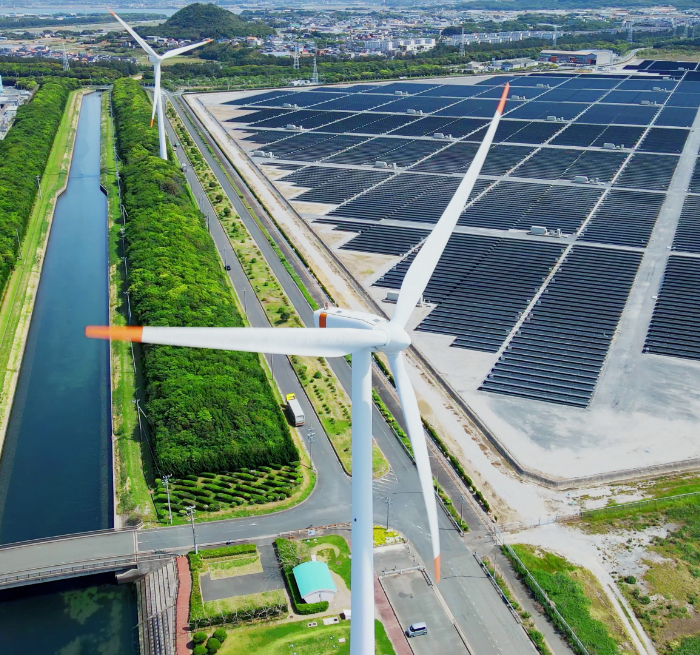
Replacing fossil energy sources with renewable or low-carbon alternatives is a key challenge for process industries. Candidates are direct electrification via resistance, induction microwave or plasma heating. Additionally, solar thermal heat sources as well as biomass-derived energy offer pathways to decarbonize industrial processes and chemical reaction systems.

Submissions are invited on alternative energy input, system integration in chemical plant environments and process adaptations, including techno-economic assessment and carbon footprint analysis für processes using alternative sources of energy. 

  • Electrification of industrial process heating
  • Solar thermal process heat
  • Biomass-derived energy
  • Alternative energy carriers
  • Process decarbonisation
  • Techno-economic assessment

#energy: Electrification of processes

As energy transition advances and renewable energy’s share grows, electrification offers a key lever to reduce emissions and decrease fossil dependence in process industries. The electrification of process heat, plasma technology, and electrolysis-based production routes are gaining growing attention for industrial applications, with potential for innovation and optimisation from both a technical and economic perspective. We invite submissions on the technical realisation and concepts of electrified processes, as well as their integration within industrial sites and electricity grids.

  • Process and reactor design
  • Materials compatibility
  • Electrified steam generation
  • (Co-) electrolysis
  • Plasma technology
  • Grid and site integration
  • Flexible operation

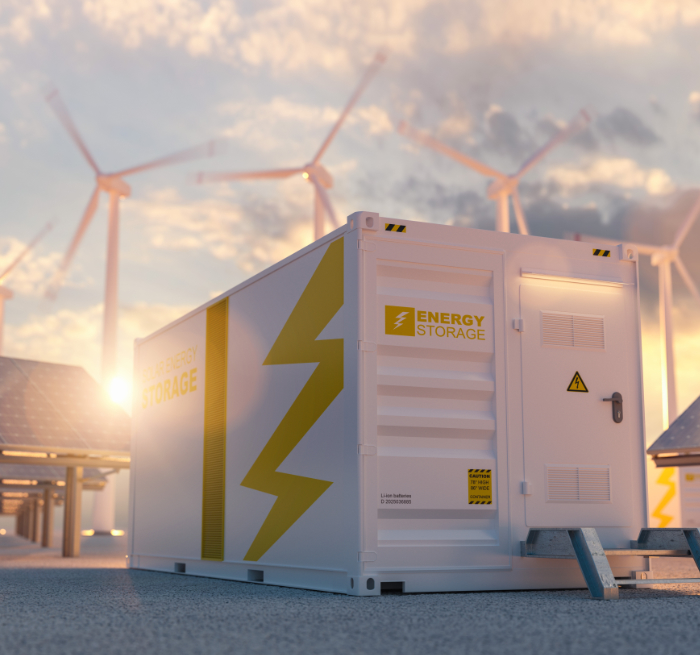
#energy: Energy storage & integration

A reliable and flexible energy supply in the process industry increasingly depends on the effective storage and integration of energy across various energy carriers and time periods. Energy storage systems like thermal energy storage, electrochemical battery systems, or hydrogen-based storage each offer specific properties suitable for different industrial applications. Contributions to the selection and dimensioning of storage technologies, site-specific integration and demand-side flexibility strategies, as well as operational and safety aspects in industrial plant environments, are essential. Contributions to these topics are requested.

  • Thermal energy storage
  • Electrochemical battery storage
  • Hydrogen-based energy storage
  • Integration of renewable energies
  • Demand flexibility
  • Design of industrial energy systems
  • Multi-carrier energy storage

#energy: Industrial heat innovation

Industrial heat accounts for a substantial share of energy demand in the process industries, spanning a wide temperature range from low-temperature heat to high-temperature processes up to 2000°C. Ongoing improvements in high-temperature heat pumps, the electrification of industrial heat, heat exchanger designs, and advanced refractory materials are opening new opportunities for industrial innovation. Submissions are invited on industrial heat generation, transfer and recovery technologies, temperature upgrading, and site-level heat system integration.

  • Low-carbon heat supply
  • Industrial heat pumps
  • Heat exchanger innovation
  • Direct resistance and induction heating
  • Microwave and plasma heating
  • Refractory and insulation materials
  • Temperature upgrading
  • Industrial heat system integration

Call for Papers ist geöffnet

Branchenexperten, Forscher und Innovatoren sind eingeladen, ihre Erkenntnisse und Fallstudien zu sechs Themenbereichen auszutauschen: Prozess, Pharma, Labor, Digital, Umwelt und Energie.

Präsentieren Sie Ihre Arbeit einem globalen Publikum, tragen Sie zu zukunftsorientierten Branchendiskussionen bei und gestalten Sie die Prozessindustrie im Nahen Osten, in Afrika und Südasien mit. 

Haben Sie Fragen?

Unser Kongressbüro beantwortet sie gerne unter +49 (0)69 7564 125 oder lecture[at]dechema.de.


Rückblick ACHEMA 2024

Highlight Sessions

Vordenker, Anwender und Technologieanbieter diskutierten in fünf Highlight-Sessions über die Herausforderungen für die Prozessindustrie, mögliche Lösungsansätze und vielschichtige Kernthemen.

Hier finden Sie die Aufzeichnungen der Events.

Aufzeichnungen jetzt anschauen

Newsletter

Immer auf dem Laufenden

Mit unserem Newsletter erhalten Sie aktuelle Informationen rund um die ACHEMA frei Haus. So verpassen Sie garantiert keine wichtigen Termine.

Jetzt abonnieren

Tickets
Kontakt